Ideal Wine Storage Conditions
Proper wine storage conditions help protect wine from premature aging and unnecessary damage. Temperature, humidity, light, vibration and bottle position all play a role, especially when wine is being stored for months or years rather than consumed quickly.
Keep the Temperature Stable
Wine benefits from a cool, consistent environment. Papro's existing guidance recommends storing wine at approximately 10 to 15°C, with stability being just as important as the exact number.
Large or frequent temperature swings can accelerate aging and place unnecessary stress on the wine.
Maintain Appropriate Humidity
Humidity helps protect corks from drying out while also reducing the risk of excessive moisture inside the cellar.
Papro's existing guidance recommends relative humidity of approximately 65% to 75% for long-term wine storage.
Protect Wine From Excessive Light
Strong light, particularly direct sunlight and ultraviolet exposure, can damage wine over time. A proper storage area should limit unnecessary light exposure while still allowing the collection to be viewed and used comfortably.
Minimize Vibration
Wine stored for long periods should be kept away from unnecessary vibration. A stable environment helps the wine remain undisturbed as it ages.
Store Cork-Sealed Bottles Properly
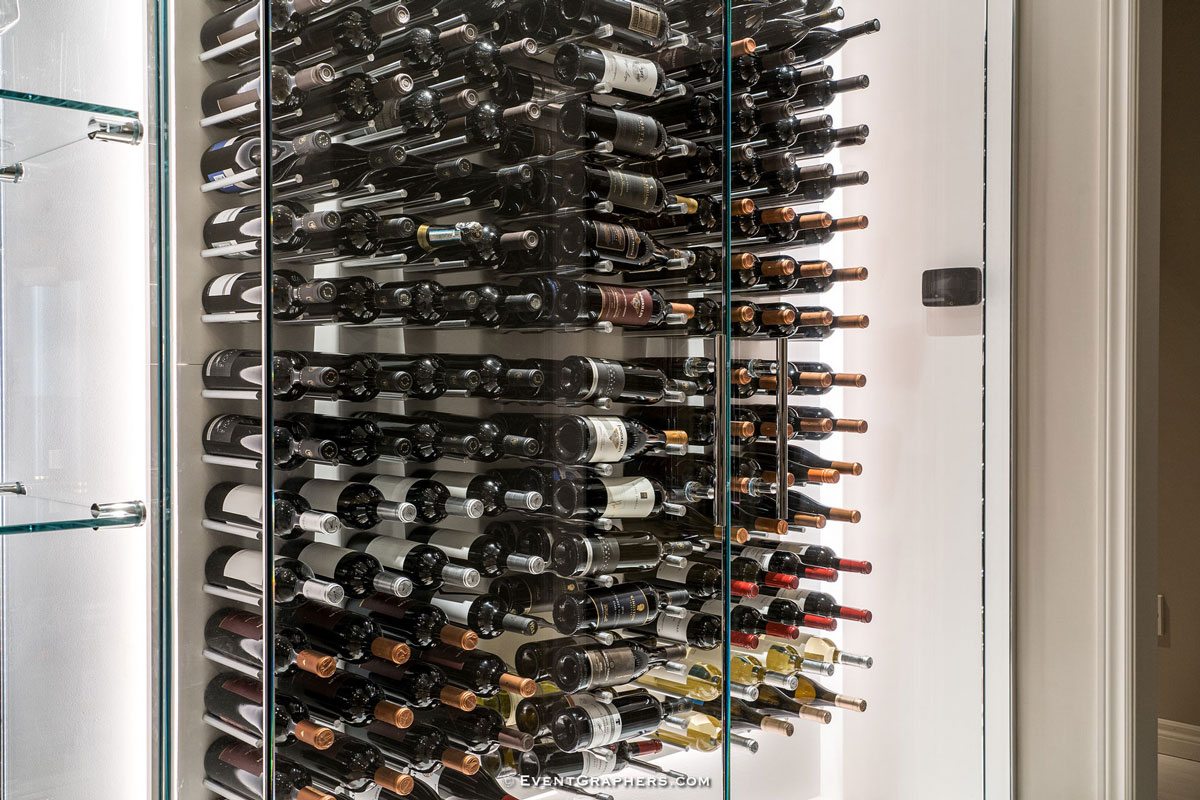
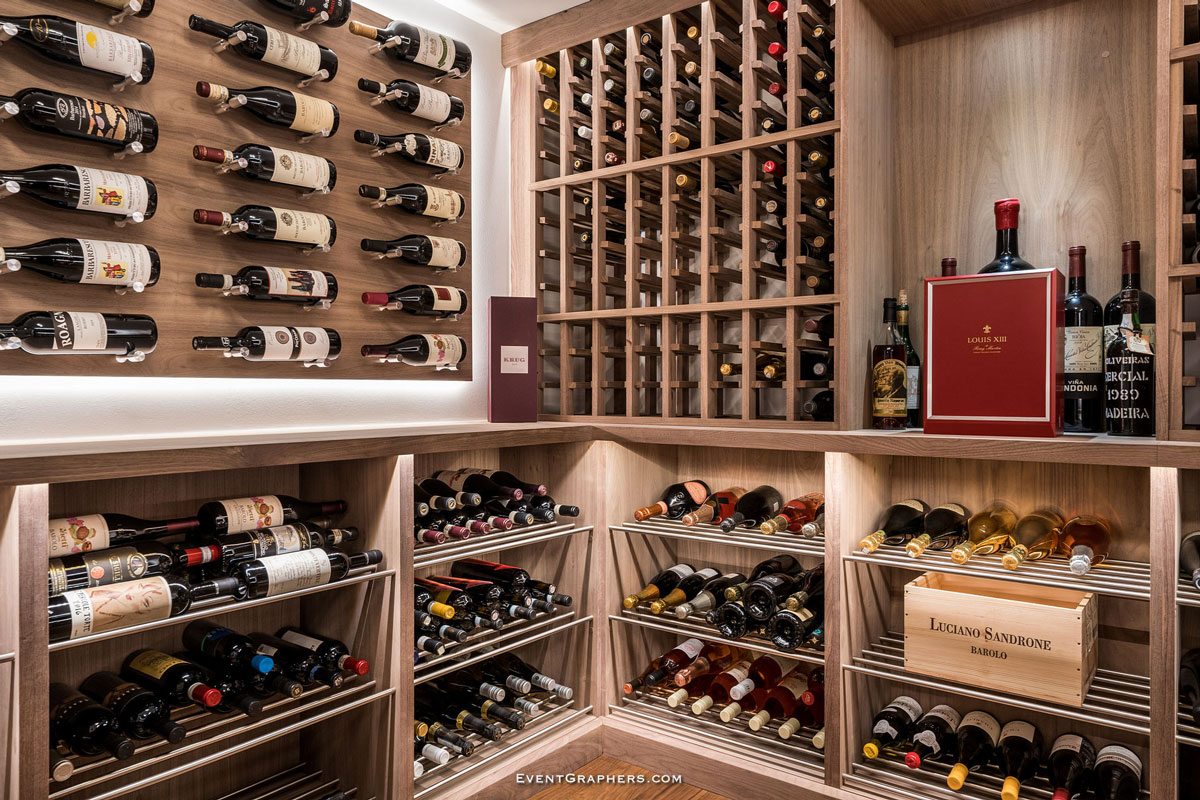
Traditionally cork-sealed wine is generally stored on its side so the wine remains in contact with the cork. This helps prevent the cork from drying excessively during long-term storage.
A Proper Wine Cellar Brings These Conditions Together
A dedicated climate-controlled wine cellar is designed to create a more stable environment for the collection. Insulation, vapour protection, cooling and room construction all need to work together to maintain appropriate conditions.
Learn more about wine cellar cooling systems or wine cellar construction.
A little clarity
Wine Storage FAQs
What is the ideal temperature for storing wine?
Papro's existing guidance recommends approximately 10 to 15°C, with a stable temperature being especially important.
What humidity level is best for a wine cellar?
Papro's existing guidance recommends roughly 65% to 75% relative humidity.
Can wine be stored in a regular refrigerator?
A household refrigerator is designed for food storage, not long-term wine aging. It is generally colder and drier than ideal wine-cellar conditions.
Does light really affect wine?
Yes. Excessive light, particularly UV exposure, can negatively affect wine over time.
Do all wines need to be aged?
No. Many wines are intended to be enjoyed relatively young. Proper storage helps preserve wines that are suitable for aging, but it does not make every wine age-worthy.
Toronto · GTA · Southern Ontario
Planning Proper Wine Storage in Toronto?
Papro designs and builds climate-controlled wine cellars throughout Toronto, the GTA and southern Ontario. Explore custom wine cellars or discuss your project with the Papro team.